
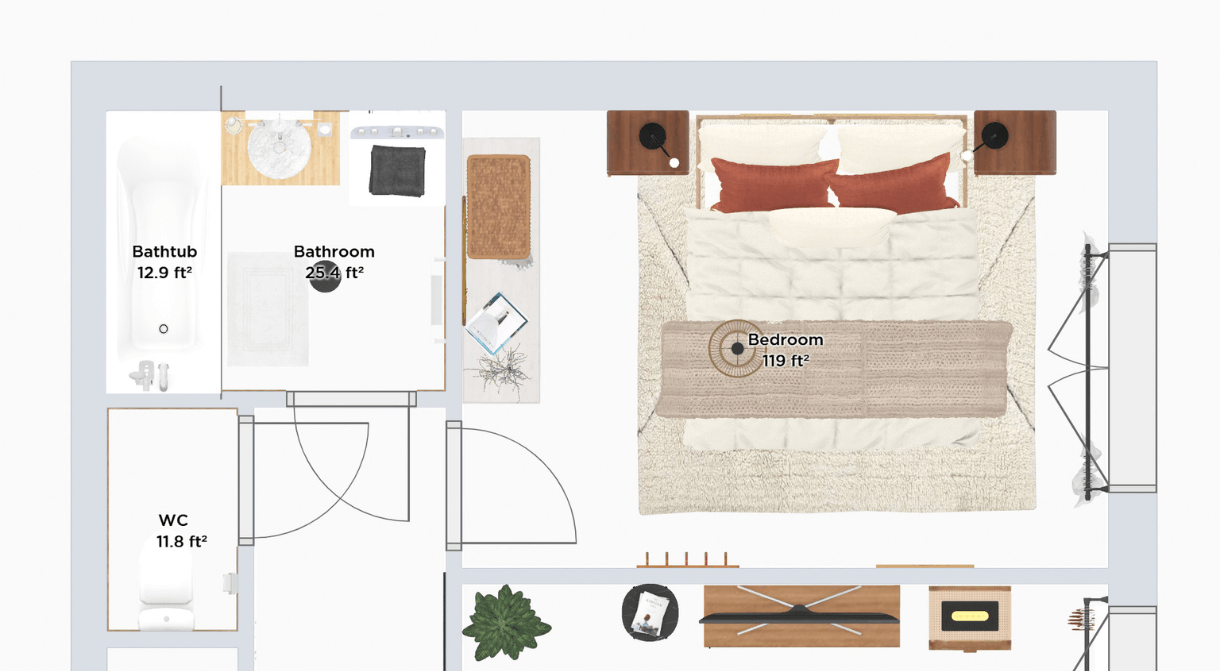
The Unseen Challenges of Compact Living
In an urbanized world, smaller living and working spaces are common. What seems minor can escalate into a daily struggle, impacting well-being and productivity. The desire for a functional environment often clashes with limited square footage, overwhelming many with optimization challenges.
Symptoms include cluttered surfaces, cramped walkways, and a constant battle for storage. Bulky traditional furniture dominates rooms. This lack of efficient planning leads to perpetual disarray, making it difficult to relax, focus, or entertain guests without feeling constricted.
Beyond aesthetics, poorly designed small spaces affect mental states. Feeling boxed in contributes to stress; blurred zones hinder relaxation. This constant mental load of navigating a disorganized environment depletes energy and creativity, making home less of a sanctuary.
Many attempt quick fixes or more storage, often adding bulk. Without a holistic approach, these efforts fall short, failing to address root causes of spatial inefficiency. The true potential of compact areas remains untapped, leading to ongoing dissatisfaction.
Understanding the Root Causes
-
Urbanization & Cost: Growing cities and rising real estate prices force smaller footprints. This economic reality demands creative solutions for maximizing available space efficiently.
-
Accumulation & Lack of Strategy: Belongings accumulate without corresponding strategies for decluttering or smart storage. This, combined with a lack of design foresight, quickly overwhelms limited areas.
-
Ineffective Planning: Many approach small space design without a comprehensive plan, relying on guesswork. This results in wasted corners, inefficient traffic flow, and missed opportunities.
Transformative Solutions for Compact Living
Embracing Multi-functional Furniture & Vertical Storage
Maximizing small spaces begins with multi-functional furniture. Items like sofa beds or storage ottomans serve multiple purposes, reducing the need for separate pieces. This frees up valuable floor space, enhancing a room's versatility.
Leveraging vertical space is equally critical. Wall-mounted shelves, tall bookcases, and floor-to-ceiling cabinetry dramatically increase storage without encroaching on the room's footprint. Custom built-ins fit awkward corners, transforming unused areas.
Harnessing the Power of Strategic Color & Lighting
Color and lighting profoundly influence space perception. Lighter palettes on walls and ceilings reflect more light, making rooms feel brighter and more expansive. Soft, neutral tones create a serene backdrop, allowing the space to breathe.
Effective lighting is crucial. Use multiple light sources at different levels—task, ambient, and accent lighting—to illuminate corners, eliminate shadows, and create warmth. Strategically placed mirrors also reflect light and views, doubling perceived room size.
Leveraging 3D Design & Visualization with Erbeder
For true mastery of small spaces, modern 3D design tools offer an unparalleled advantage. They allow meticulous planning and experimentation with layouts before any physical changes. This digital sandbox enables virtual furniture placement and optimizing traffic flow.
Erbeder provides cutting-edge 3D design solutions to visualize your compact space with incredible accuracy. Our tools help explore configurations and make informed decisions about furniture. This foresight transforms small space design into an exciting, manageable project.
Potential Risks and Mitigation Strategies
-
Over-optimization Leading to Sterile Spaces: A sole focus on functionality can result in impersonal or clinical spaces.
Recommendation: Balance practicality with personal touches like artwork, plants, and meaningful decor to infuse warmth. -
Budget Overruns for Specialized Solutions: Custom furniture or advanced 3D design services can exceed initial budget expectations.
Recommendation: Prioritize needs; explore modular options. Erbeder offers scalable 3D planning solutions. -
Maintenance Challenges with Complex Designs: Multi-functional items or intricate storage might require more effort to maintain.
Recommendation: Opt for durable, easy-to-clean materials. Regularly declutter to prevent complex systems from becoming overwhelmed.
“This article is incredibly insightful! The tips on multi-functional furniture and strategic lighting are practical gems. I'm especially interested in how 3D design can transform my tiny apartment.”
— Ornicha Tharamongkol
“Thank you for your kind words! We're thrilled you found the article helpful. 3D design truly revolutionizes small space planning, allowing you to visualize and optimize every corner. Feel free to explore Erbeder's solutions for a personalized experience!”
— Phichai Kittidet
“Good overview of the challenges and some common solutions. I've tried some of these before with mixed results. Curious about the cost implications of advanced 3D tools.”
— Phakphum Chondet
“We appreciate your feedback! It's true that results can vary, and 3D tools aim to minimize those 'mixed results' by providing precision. Regarding cost, Erbeder offers various tiered solutions, from basic visualization to comprehensive design packages, to fit different budgets and project scales. We encourage you to contact us for more details.”
— Ananya Sukwong


