
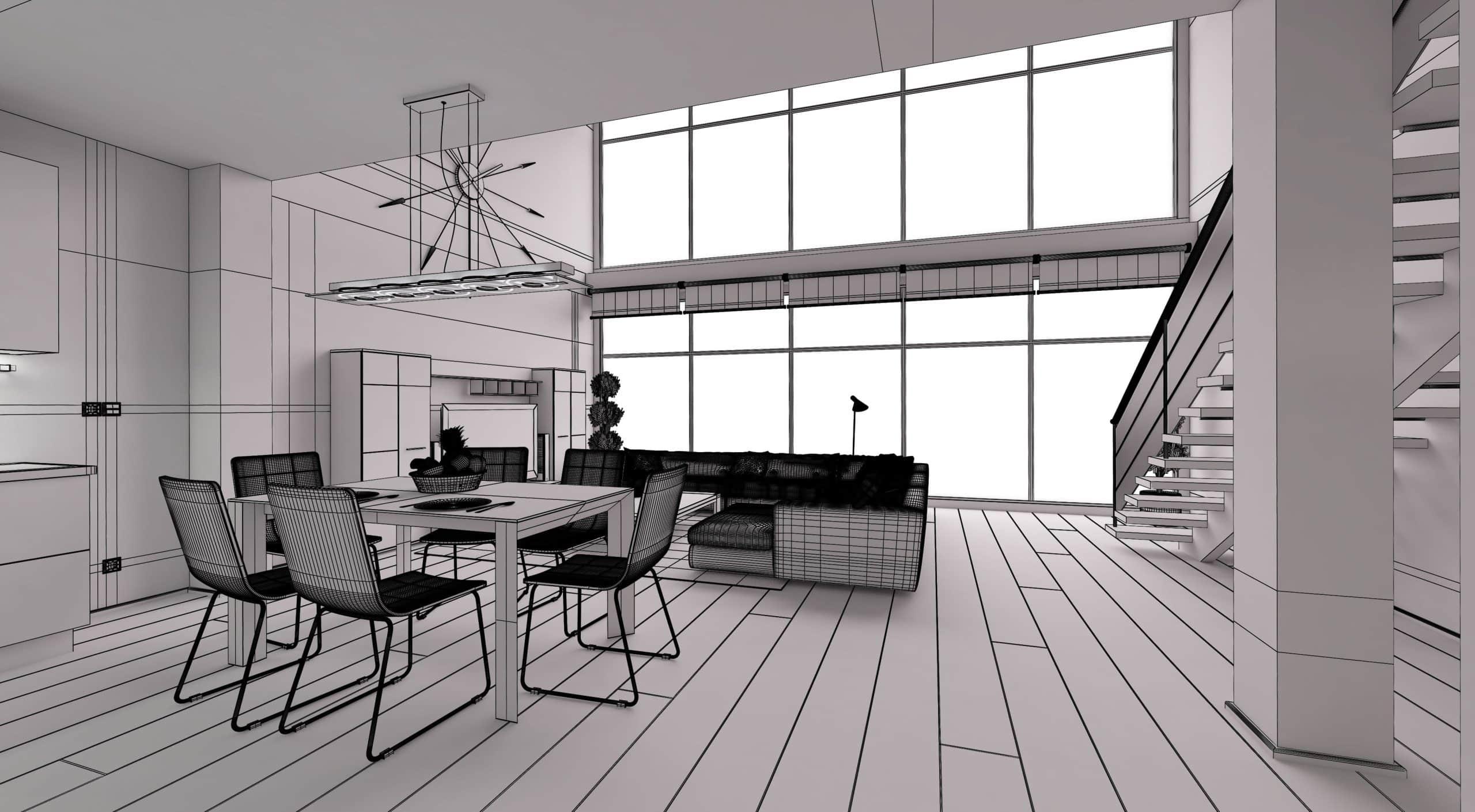
The Challenge of Visualizing Design Dreams
Bringing interior design visions to life is often a challenge. Clients struggle to grasp how abstract ideas or mood boards translate into a tangible space. This disconnect creates anxiety, making initial project stages daunting. The gap between imagination and reality is a common hurdle for many.
Traditional presentations, using 2D plans, fall short. They lack the immersive quality needed to visualize spatial relationships, light, and textures effectively. This often leads to misunderstandings, where designer intent differs from client perception, creating potential issues.
Misinterpretations are financially and emotionally draining. Discovering a completed space doesn't meet expectations means costly revisions and delays. Clients invest heavily, and disappointment from a mismatched outcome is a burden. Preventing these discrepancies is paramount.
Integrating diverse elements – furniture, lighting, colors, finishes – into a cohesive whole is complex. Without a clear visual, predicting component interaction is difficult. This obscures harmony and functionality, leaving decisions to guesswork and hindering client confidence.
Underlying Causes of Visualization Gaps
-
Limited Tool Adoption: Many designers lack advanced 3D software. This results in less realistic presentations, making it hard for clients to truly envision their future space accurately.
-
Communication Challenges: Translating abstract design concepts into clear visuals is tough. Jargon and static images often create disconnects, preventing a shared understanding.
-
Client Spatial Perception: Not all clients easily visualize 3D spaces from 2D plans. This leads to surprises and dissatisfaction when the physical environment is built.
Solution 1: Advanced 3D Modeling and Rendering
At Erbeder, we transform concepts into stunningly realistic 3D models. Our software meticulously crafts every detail, from furniture to textiles, ensuring accurate representation of your future space. This precision removes guesswork, allowing real-time experimentation with layouts and materials.
Photorealistic rendering lets clients truly feel the ambiance. Accurate light simulation and tangible textures create emotional connection. This empowers informed choices, preventing costly revisions and ensuring a seamless transition to a perfectly realized space aligned with expectations.
Solution 2: Interactive Virtual Walkthroughs
Erbeder offers interactive virtual walkthroughs, redefining the client experience. Step into your future living room, exploring every corner as if physically present. This immersive technology provides unprecedented understanding and engagement with the design, allowing navigation at your own pace.
Our virtual tours allow clients to adjust lighting and observe natural light interaction. This reveals nuances static renderings miss, helping grasp spatial relationships. It's an invaluable tool for identifying issues early, saving time and resources, fostering deep ownership.
Solution 3: Iterative Design Feedback Loops
Erbeder believes best designs emerge from collaborative partnerships. Our process integrates structured, iterative feedback, ensuring your input actively shapes your interior space. We build multiple revision stages from sketches to final renderings, soliciting detailed feedback.
This agile approach adapts quickly to new ideas or shifts in preference, minimizing late-stage overhauls and saving time/budget. By breaking down the process, every element receives your approval, ensuring the final design reflects your vision with continuous guidance.
Potential Risks and Mitigation
-
Over-reliance on Technology: Digital tools might overshadow personal interaction. Recommendation: We balance tech with consultations, ensuring client relationships remain strong and preferences are fully captured.
-
Unrealistic Client Expectations: Highly realistic visuals can create expectations hard to match physically. Recommendation: We set clear expectations, explaining variations between digital renderings and construction, focusing on realistic outcomes.
-
Initial Investment: Implementing advanced 3D processes requires significant upfront investment. Recommendation: This investment offers long-term savings through reduced revisions and accelerated timelines, providing superior value.
“This article perfectly explains the value of 3D design. I've always struggled to visualize spaces from 2D plans, and Erbeder's approach sounds like a game-changer. The interactive walkthroughs especially appeal to me.”
— Phanas Tharasiri
“Thank you for your feedback! We're glad to hear our approach resonates with you. Our goal is indeed to make the design process as clear and engaging as possible, ensuring your vision comes to life seamlessly.”
— Woramet Phothichai
“The points about communication challenges and client spatial perception are very relevant. It's good to see Erbeder addressing these directly. I'm curious about the typical timeframe for these iterative feedback loops.”
— Napatsorn Wannadet
“That's an excellent question regarding our iterative feedback loops. The timeframe can vary depending on project complexity and client responsiveness, but we generally aim for quick turnarounds to keep the process efficient and dynamic.”
— Apirak Nuanphong


