
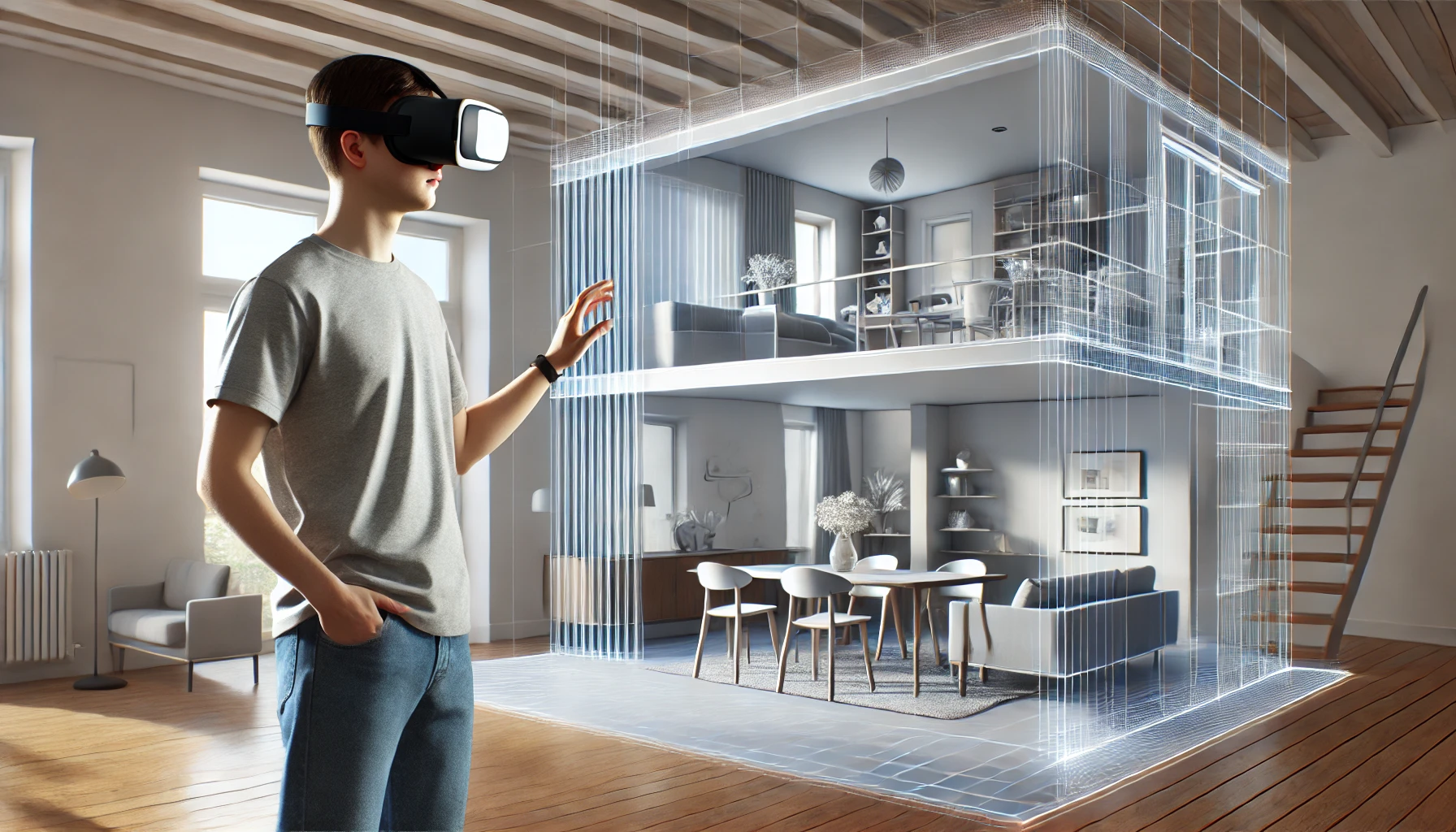
The Challenge of Envisioning Your Ideal Living Space
Embarking on a home renovation or new interior design can be exhilarating, but visualizing the final outcome remains a significant hurdle. Many homeowners struggle to translate abstract ideas, mood boards, or sketches into a tangible, three-dimensional reality. This disconnect leads to uncertainty, making critical decisions about colors, textures, and layouts overwhelming.
Traditional design methods often fall short in providing an immersive preview. Relying solely on material samples or basic 2D floor plans leaves much to the imagination. These static tools fail to convey the dynamic interplay of light, true furniture scale, or how elements harmonize, forcing costly decisions based on incomplete information.
Poor visualization leads to more than aesthetic disappointment. Misjudging spatial relationships results in ill-fitting furniture, clashing color schemes, or impractical layouts. Such errors necessitate expensive rework, project delays, and can significantly inflate budgets. The dream home can quickly become a source of stress, undermining the entire design process.
Beyond financial implications, the emotional toll is substantial. Inability to clearly foresee their future living space causes anxiety and indecision. Clients may feel paralyzed by choices, fearing investment only to discover the result doesn't match expectations. This uncertainty stifles creativity, making the journey less enjoyable.
Underlying Factors Hindering Clear Visualization
- Many lack spatial reasoning skills, finding it hard to mentally transform 2D plans into a comprehensive 3D space. This often leads to misjudgments regarding scale and proportion.
- The vast array of choices in modern interior design—from finishes to furniture—can be paralyzing. Without a clear, integrated visual guide, homeowners struggle to make cohesive decisions.
- Communication gaps between designers and clients are common. Verbal descriptions or 2D drawings are interpreted differently, creating discrepancies apparent only late in the project.
Transformative Solutions for Confident Design
1. Immersive 3D Renderings for Photorealistic Previews
High-fidelity 3D renderings provide unparalleled detail, transforming concepts into photorealistic images. Clients see every texture, material, and lighting condition as if built, eliminating guesswork and ensuring clear understanding of aesthetics and function.
These detailed visuals align expectations between designers and clients. They allow early identification of discrepancies or desired modifications, ensuring the final outcome matches the client's vision before any physical work, saving time and resources.
2. Interactive Virtual Tours for Dynamic Exploration
Virtual tours offer a dynamic experience, allowing users to navigate their future home space at their own pace. This interactive exploration provides a true sense of spatial relationships, flow, and how rooms connect, enabling clients to virtually "walk" through their design.
This immersive capability goes beyond static images, offering deeper understanding of layout and ambiance. Homeowners experiment with viewpoints, gaining an intuitive feel for living within the space, crucial for informed adjustments and personal touches.
3. Real-time Design Modifications for Seamless Collaboration
Advanced 3D design tools facilitate real-time adjustments to interior elements. Imagine instantly changing wall colors, swapping floor materials, or rearranging furniture with a few clicks. This flexibility streamlines the revision process, making iterations efficient and collaborative.
This capability fosters an interactive design journey, allowing clients and designers to work together effectively. Ideas are tested and refined on the fly, ensuring every detail is perfected without typical delays, leading to greater satisfaction.
Potential Risks and Mitigation Strategies
- Over-reliance on Visuals: Clients might expect the final physical space to be identical to renderings, overlooking minor real-world variations.
Recommendation: Clearly communicate that 3D visuals are highly accurate representations, but subtle real-world differences can occur. - Cost Perception: Initial investment in advanced 3D visualization might seem significant compared to traditional methods.
Recommendation: Emphasize long-term savings from avoiding costly design mistakes, rework, and delays, highlighting value. - Technical Complexity: Some clients might find navigating interactive 3D models or virtual tours challenging.
Recommendation: Provide intuitive interfaces and offer guided walkthroughs to ensure all clients fully benefit.
There are no comments yet


