
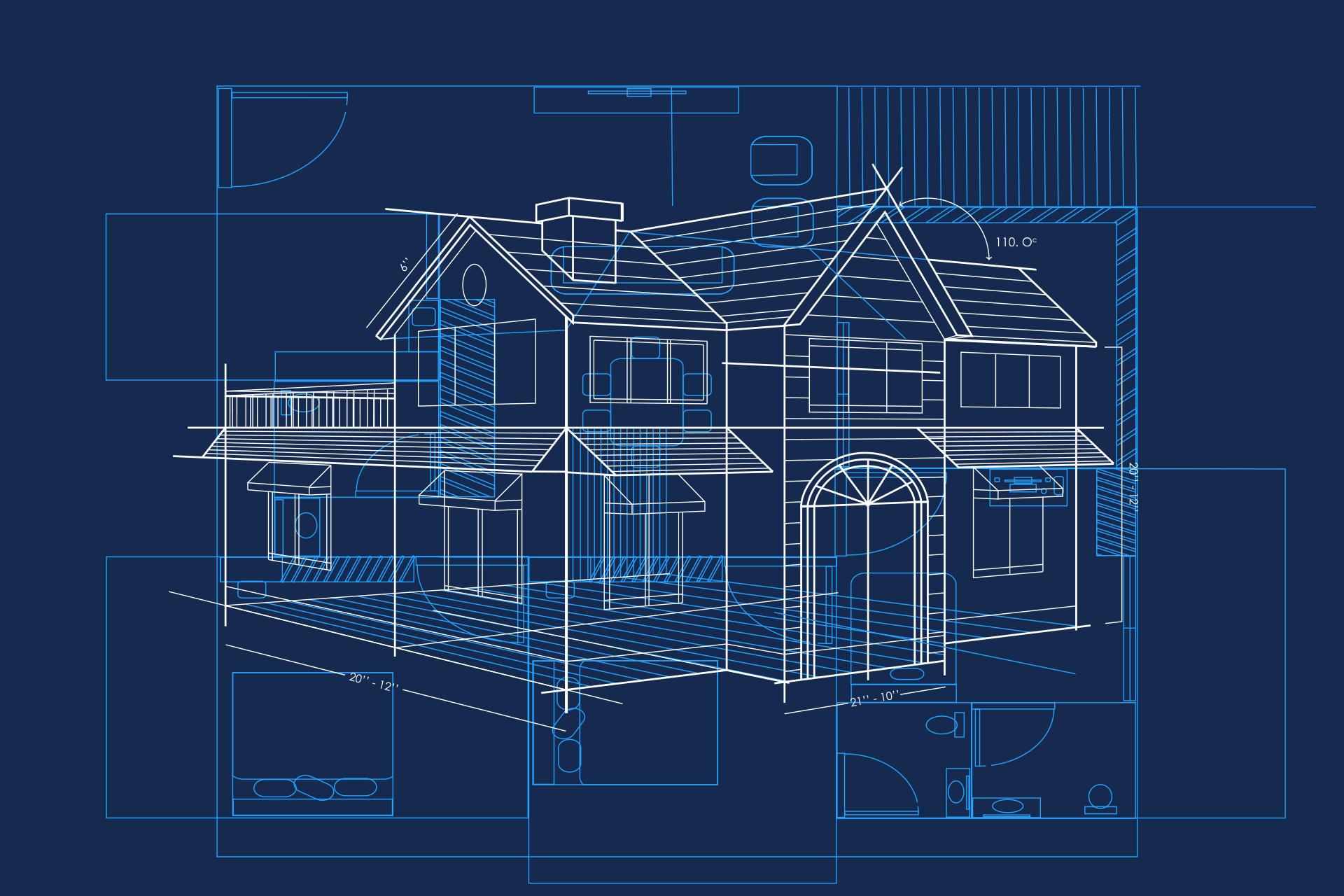
The Challenge of Visualizing the Unbuilt
In architecture, product design, and real estate, the initial vision often begins as lines on a page. Traditional blueprints, while fundamental, frequently present a significant hurdle: they demand a highly developed spatial imagination. Clients, investors, and even project teams struggle to fully grasp intricate details, spatial flow, or material interplay from these flat representations. This cognitive gap leads to misunderstandings and a lack of confidence.
This disconnect between designer intent and stakeholder perception is a common source of frustration. What seems clear to the architect might appear abstract and uninspiring to a potential buyer. Without a clear, universally understood visual, crucial feedback is delayed or based on incomplete understanding. Such ambiguities inevitably lead to costly revisions, extending project timelines and inflating budgets.
Identifying potential design flaws or enhancement opportunities early is paramount. However, relying solely on 2D plans makes this difficult. Issues with spatial arrangement or aesthetic inconsistencies often become apparent only during construction. By then, rectifying these problems is exponentially more expensive and time-consuming, highlighting the critical need for intuitive visualization.
In today's competitive market, presenting a compelling and immersive vision is a necessity. Whether pitching a new development or securing investment, the ability to showcase a design in its full glory can make all the difference. Projects that fail to inspire or clearly articulate their value visually often fall behind, struggling to capture attention and secure necessary buy-in.
Root Causes of Visualization Gaps
- Cognitive Abstraction Barrier: The human brain struggles to translate abstract lines into 3D space, hindering emotional connection and comprehensive understanding of the design.
- Lack of Contextual Richness: Blueprints lack crucial details like specific material textures, dynamic lighting, and environmental interaction, vital for a holistic perception of the design's impact.
- Limited Stakeholder Engagement: Without engaging visuals, it's challenging to foster enthusiastic buy-in from diverse stakeholders, slowing down critical decision-making processes.
Erbeder's Path to Clarity: Bringing Visions to Life
1. Photorealistic 3D Renders: Unveiling the Future Today
Photorealistic 3D renders are key to bridging the gap between concept and reality. By crafting digital models with precise textures, lighting, and environmental details, we produce images virtually indistinguishable from photographs. These renders offer an incredibly accurate preview of the final product or architectural space.
The benefits are profound: enhanced understanding drastically reduces miscommunication and costly assumptions. Everyone operates from a shared, vivid vision, fostering greater collaboration and confidence. For marketing and sales, these renders become powerful tools, captivating potential buyers with unparalleled clarity.
2. Immersive Walkthroughs and Animations: Experience the Design
Beyond static images, animated walkthroughs offer a dynamic, experiential perspective. Clients can virtually stroll through a proposed building, experiencing its spatial flow, natural light, and scale firsthand. These immersive experiences provide a powerful sense of presence, allowing individuals to truly "feel" the space.
These dynamic visualizations are invaluable for showcasing functionality or complex design features in motion. They are effective in sales presentations and investor pitches, generating excitement and securing enthusiastic buy-in. An animated tour by Erbeder transforms a static plan into a living, breathing environment.
3. Interactive 3D Models: Empowering Exploration and Customization
Interactive 3D models empower clients with unprecedented control and flexibility. These models allow real-time exploration from any angle, enabling users to zoom in, change material finishes, or reconfigure elements on the fly. This interactivity fosters deep engagement, making the design process collaborative.
Empowering clients to experiment and visualize preferences accelerates decision-making. It builds a stronger sense of ownership and satisfaction. For custom projects, interactive models are indispensable, allowing instant feedback and iteration, ensuring the final design aligns perfectly with expectations.
Potential Risks and Mitigation Strategies
- Setting Unrealistic Expectations: Highly photorealistic renders might set expectations so high that minor deviations in the final physical build could lead to client disappointment. Recommendation: Clearly state renders are representations; minor variations may occur in the final product.
- Over-reliance on Aesthetics: Focusing solely on visual appeal in renders might inadvertently overshadow critical functional or structural considerations. Recommendation: Always integrate 3D visuals with detailed technical drawings for a balanced view.
- Investment in Time and Resources: Producing high-quality 3D renders and animations requires significant investment in specialized software, skilled personnel, and time. Recommendation: Define scope clearly upfront to ensure investment aligns with desired project impact.
By leveraging advanced 3D rendering techniques, Erbeder ensures your vision is not just built, but truly brought to life.
“I've always found it so hard to visualize architectural plans. This article perfectly explains why 3D renders are a game-changer. The idea of a virtual walkthrough sounds incredibly helpful!”
— Atthaporn Udomdet
“Thank you for your kind words! We truly believe in the power of immersive visualization to transform understanding and decision-making for our clients.”
— Natthanon Wattananak
“The article highlights valid points about 2D limitations. I'm curious about the typical turnaround time for complex projects using these 3D solutions.”
— Suriya Suchitdet
“That's a great question! Turnaround times vary based on project complexity and scope. We'd be happy to discuss your specific needs in a consultation to provide a precise estimate.”
— Thanida Mahachit


